Arua City — West Nile has long faced leadership challenges that have slowed institutional effectiveness, hampered community development, and limited opportunities for sustainable growth. In response to these pressing gaps, Muni University has officially launched the Muni University Institute of Leadership and Governance (MUILG), a pioneering initiative designed to strengthen leadership across public institutions, civil society, and private organizations in the region and beyond. The institute, themed “Leadership for Transformation and Sustainable Development,” aims to equip leaders with the skills, vision, and accountability needed to drive meaningful change.
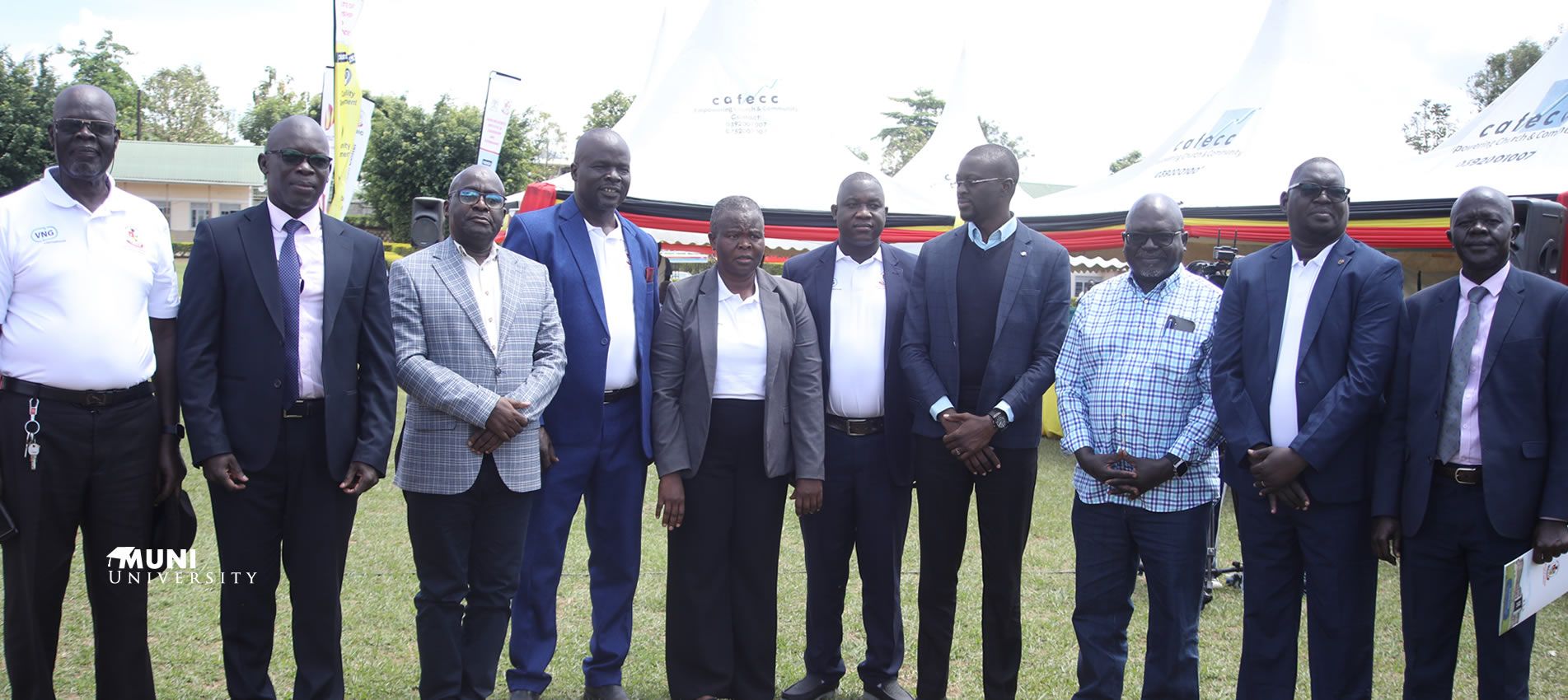
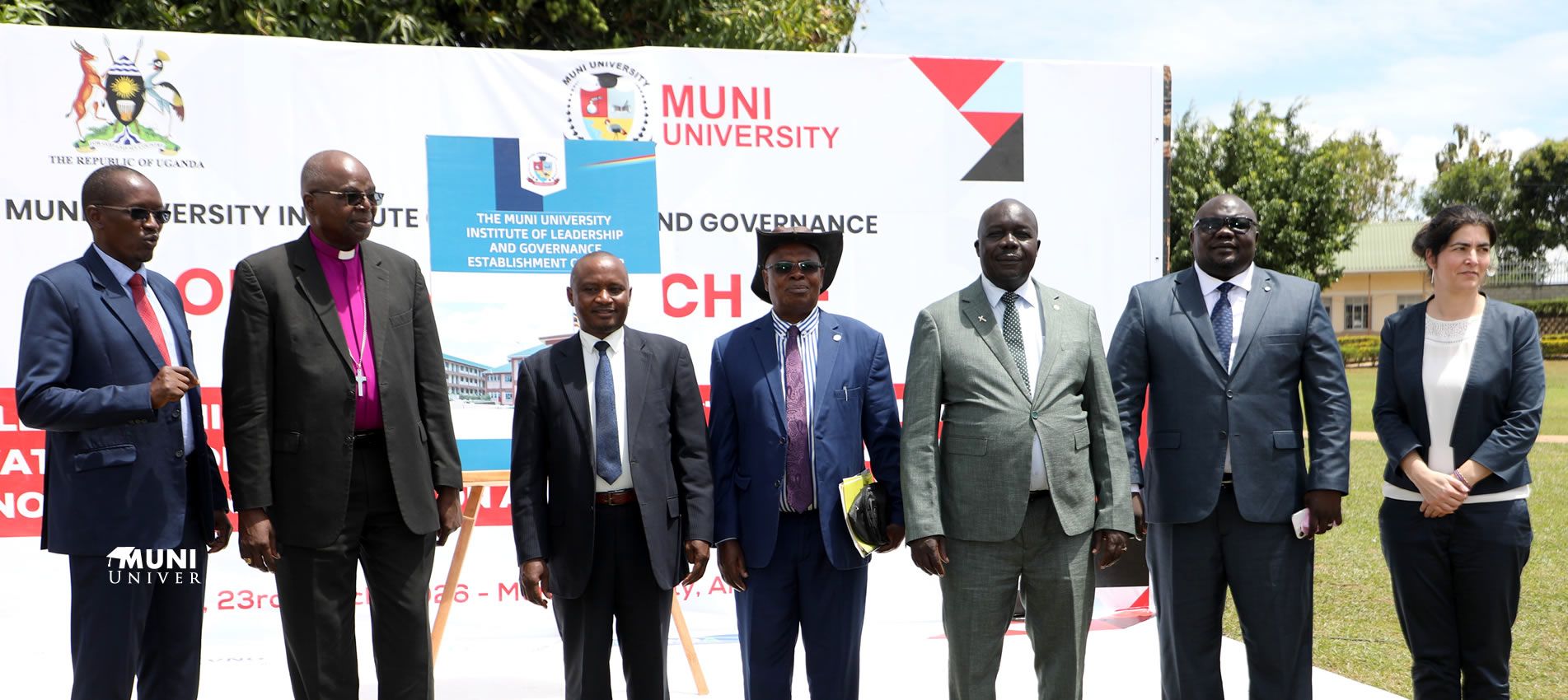
The launch, held at the university’s main campus in Arua City Centre, brought together academic leaders, cultural and political figures, civil society actors, and students, reflecting a shared commitment to fostering visionary and effective leadership across West Nile and Uganda.
Assoc. Prof. Simon Anguma, Vice Chancellor of Muni University, said the institute is a strategic outcome of the university’s 2025 2030 Strategic Plan.
“When management drafted the 2025 2030 Strategic Plan, we intentionally designed objectives that extend our reach into the community. One of these objectives is the launch of Muni University Institute of Leadership and Governance. This institute is meant to address leadership challenges in the West Nile region. We formed a task force led by Prof. Robert Kajobe, and the charter we developed was approved by the university council to generate ideas that will make leadership and governance at Muni University impactful and responsive to pressing issues in West Nile.”
Mr. Moses Okuma Otim, Director of the West Nile Development Association (WENDA), highlighted the regional significance of the institute:
“We pledge to continue supporting Muni University and this institute for the benefit of the West Nile community. Our goal is to ensure that we address leadership challenges in the region effectively.”
Mr. Anyama William, LC5 Chairman of Moyo District, described the launch as a timely and transformative step for the region:
“As leaders in West Nile, we recognize the urgent need to nurture ethical, visionary, and accountable leadership. This institute will not only build capacity among current and future leaders but also strengthen governance systems that directly impact our communities. We commend Muni University for this strategic initiative and reaffirm our full support toward its success.”
Mr. Egibwa Sam Anguzu, Program Director at Vereniging van NederlandseGemeenten (VNG), noted the unique challenges facing West Nile:
“The region faces funding gaps, an influx of refugees, and inexperienced leaders. We need innovation to address these challenges, and Muni University’s institute comes at the right time. I believe it will play a critical role in local economic development, bridging administrative gaps in local government, and contributing to Uganda’s Vision 2040. It will also help induct recently elected leaders, ensuring they serve responsibly and do not gamble with their offices.”
Ms. Anne Marie, Senior Programs Manager at VNG International, emphasized the human dimension of leadership:
“We can only support ideas; we cannot lead them without strong leaders. Society needs leaders who can echo community concerns, reflect deeply on issues, and act courageously. Leadership requires self-transformation before community transformation. This institute will be a game-changer for the West Nile community.”
Eng. Joel Aita, Chairman of the Muni University Council, reiterated the university’s commitment to the institute:
“We have worked with all stakeholders, giving them a mandate under Dr. Felix Andam, the overseer of this institute, to ensure it has a permanent home with residential offices. The establishment of this institute is a promise to the people of West Nile and beyond. It will generate leaders who will help reduce poverty, improve education, and create a brighter future for our communities.
Prof. John-Mary Kauzya, keynote speaker, Ugandan governance and leadership expert, and former UN advisor on public sector reform. He delivered an inspiring lecture on transformational and sustainable leadership.”
“Leadership begins with self-transformation. If you want to start, start with what you have. Dream big to achieve big. Leadership is about transforming society, but first, transform yourself. Words matter, but action defines you. When Muni University sought to transform the world, it began by innovating. Universities often say 'publish or perish'; I tell this institute, ‘innovate or perish.’ Innovation is about creating ideas that can be copied and replicated. Partnerships, community engagement, and empowerment are essential to spread innovation. Leaders must think strategically, engage all actors, draft effective policies, and pursue long-term impact. Sustainable development requires leveraging the potential of people, fostering participatory governance, and embracing gender-inclusive practices. Strong institutions, not just strong men, drive transformation. Leadership is stewardship, empowerment, and vision.”
Mr. Fetah Geoffrey, outgoing MP for Ayivu East Constituency,Arua District applauded the founders of Muni University:
“We commend Prof. Christine Dranzoa, the founder Vice Chancellor of Muni University, and other West Nile leaders who paved the way for this institution. Prof. Kauzia’s lecture provided vital insights on value-based leadership and respect for those you serve. Leadership must be accountable, and it requires collective effort from the West Nile region. We encourage leaders to enroll in the institute and seize the numerous opportunities it offers to refine their skills.”
Mr. Swizin Kinga Mugyema, Commissioner for Local Councils Development, represented the Minister for Local Government, Hon. Raphael Magyezi, Chief Guest, and emphasized the importance of practical and participatory leadership:
“Leadership is about participation. You cannot lead by only reading books; it requires engaging the people you serve. With 80 percent of recently elected leaders being new, MUILG is critical. The institute has a doable mission: innovate, address challenges, and navigate the unique human resources and cross-border dynamics of West Nile. Consistency and strategic action are key to long-term leadership impact.”
With the establishment of MUILG, Muni University is now a regional hub for nurturing ethical, innovative, and accountable leaders, driving governance excellence and sustainable development across West Nile and Uganda. The institute reinforces the university’s vision of transforming communities through leadership, education, and innovation, promising a brighter future for the region and the nation.