
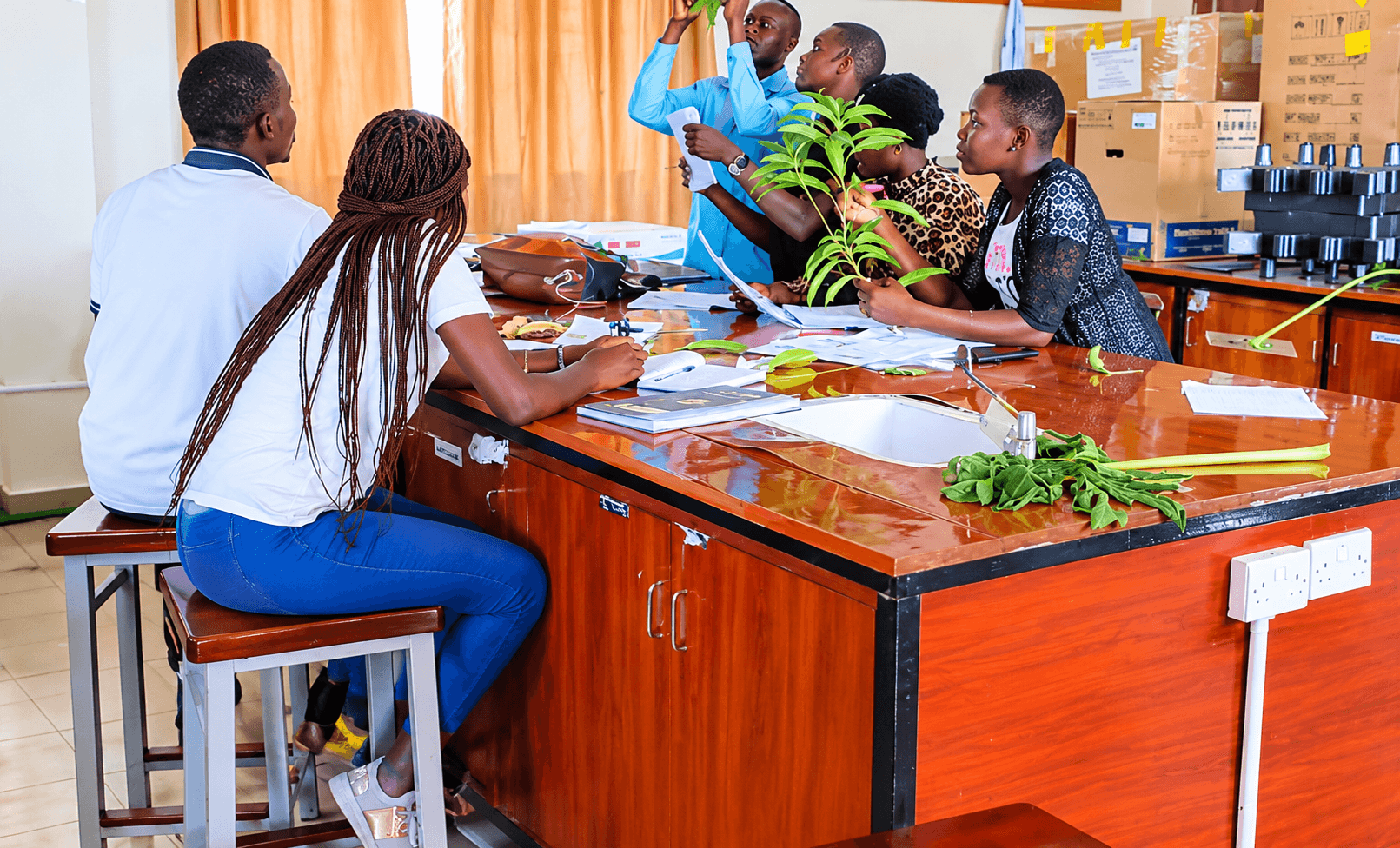
Muni researchers mapped the Artemisia species growing in West Nile and are developing herbal formulations for the intermittent preventive treatment of malaria in children. Four products have come out of the project so far.
Malaria remains one of the most serious health threats in Uganda, and resistance to artemisinin — the basis of today’s first-line treatment — threatens malaria control across Africa. Muni University’s Artemisia project studies how plants of the Artemisia family, which grow in West Nile, can support the intermittent preventive treatment of malaria in children.
The research combined an ethnobotanical survey with oil and phytochemical extraction and analysis, and in-vitro antiplasmodial studies. It found Artemisia annua, A. vulgaris, A. absinthium and A. afra growing in the region, especially around Arua; their oils contain more than 150 active compounds. The antiplasmodial studies continue in the project’s second phase.
Products so far
- Artemisia oils
- Artemisia tea bags
- “Artemishea” mosquito repellent cream
- “Artemishea” mosquito-bite ointment
Fewer malaria cases in the region would mean better school attendance for children across West Nile.